




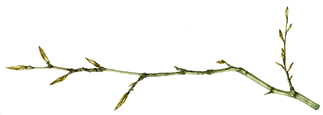
Illustrating colouring-in books
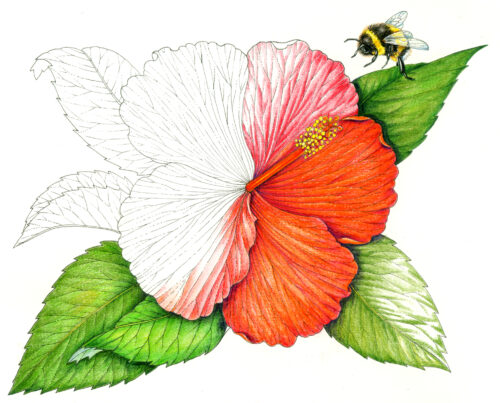
I’ve recently been commissioned by HarperCollins to complete a few illustrations for an upcoming colouring-in book. As I worked on them, I realised I’ve created a lot of line drawings destined to be coloured-in over the years.
Creating a drawing for a colouring book
To be honest, these illustrations are probably the swiftest and easiest that I get ask to complete.
You start, as always, by researching your subject and coming up with a composition that works. Next, draw up a pencil rough and submit it to your client.
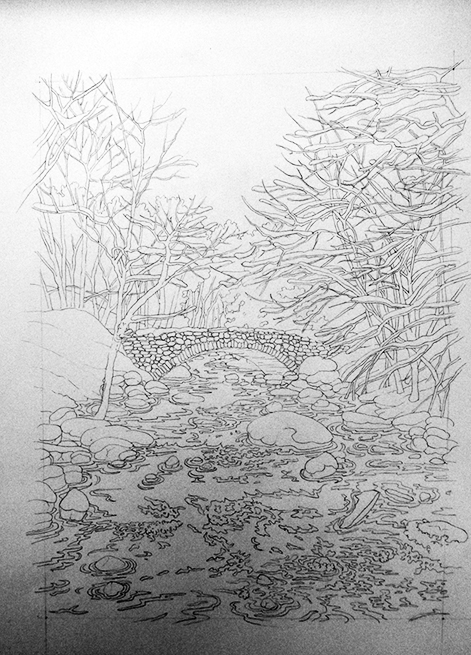
Bridge over a stream pencil rough
In most cases, this gets approval. Once approved, I draw over the pencil lines using an 0.1mm nib Uni pin pen, with fade resistant and waterproof ink. When I rub out the underlying pencil lines, the ink doesn’t shift.
Because the drawings are atonal, simple lines without shade, they are very quick to complete.
When pen and ink illustrations need tonality, it takes hours as this is built up with thousands of tiny dots.
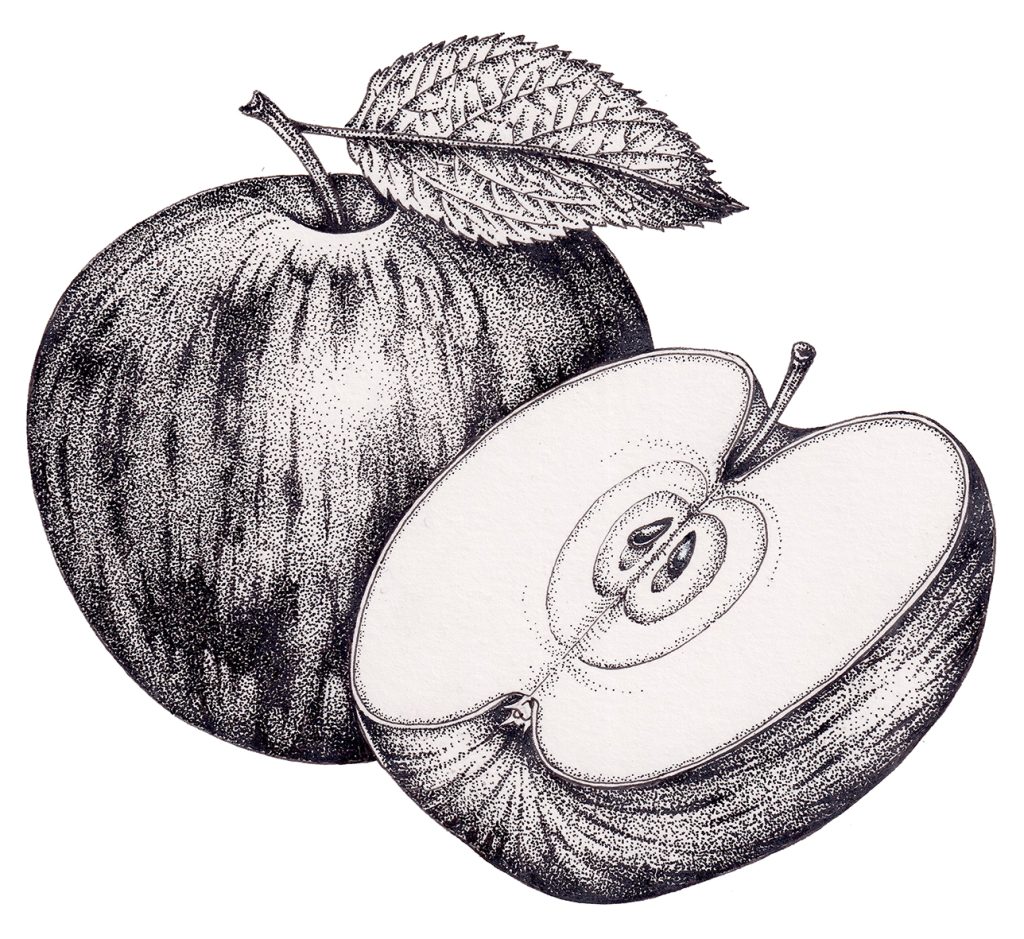
Apple and half completed for Fernway
The flip side of this is that every line has to be perfect. There is no room for wobbles, and errors are pretty much impossible to fix (although white gouache paint has saved the day on a few occasions).
Art for Mindfulness: Winter wonderland
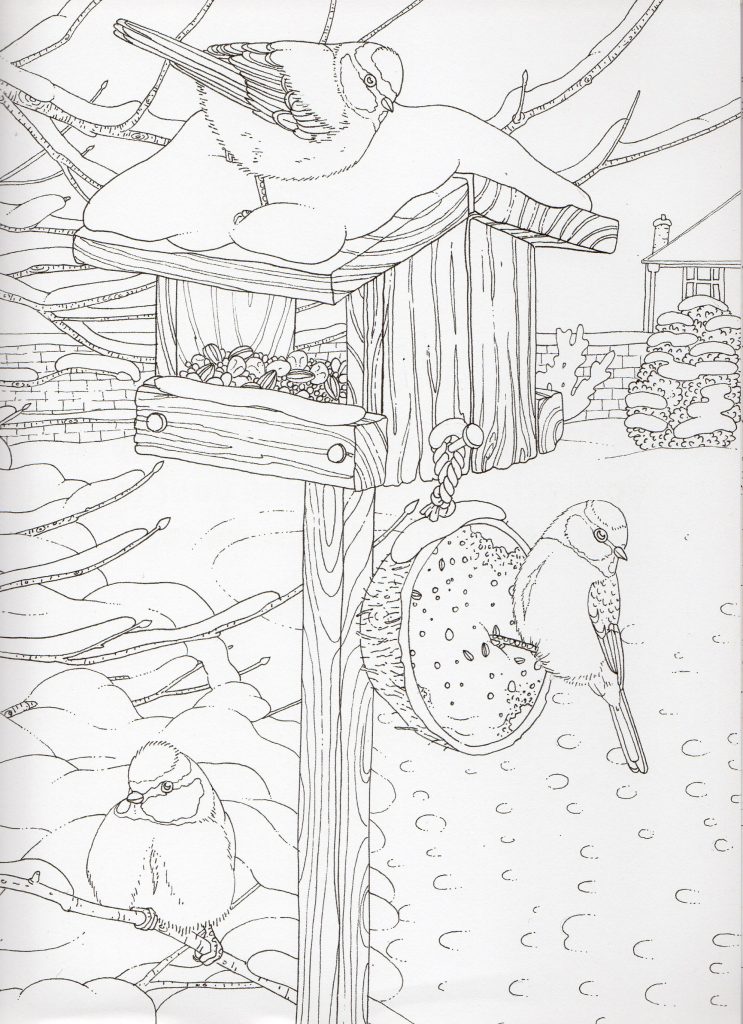
The biggest colouring-in project I’ve worked on was completing 62 illustrations for HarperCollins’ Art for Mindfulness: Winter wonderland.
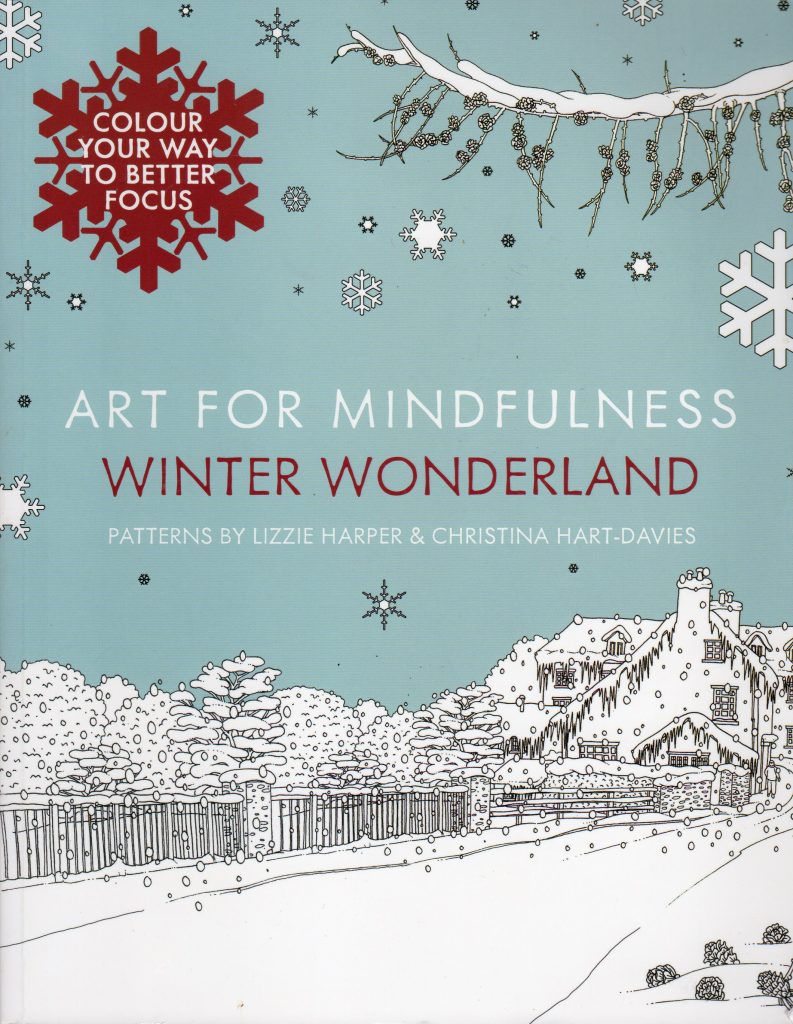
Cover of Winter wonderland
The elephant in the room was snow. Unless you want to do some really subtle work with a pale blue coloured pencil, there’s not a great deal of colour in snow. But time and again I’d have my roughs returned with the hopeful comment, “can we add more snow”?
It was a challenge to come up with 62 wintery subjects. I drew up mammals and birds from Europe and the Americas. There were landscapes, snowy trees, cityscapes, and a few cosy illustrations of fireplaces and Christmas trees.
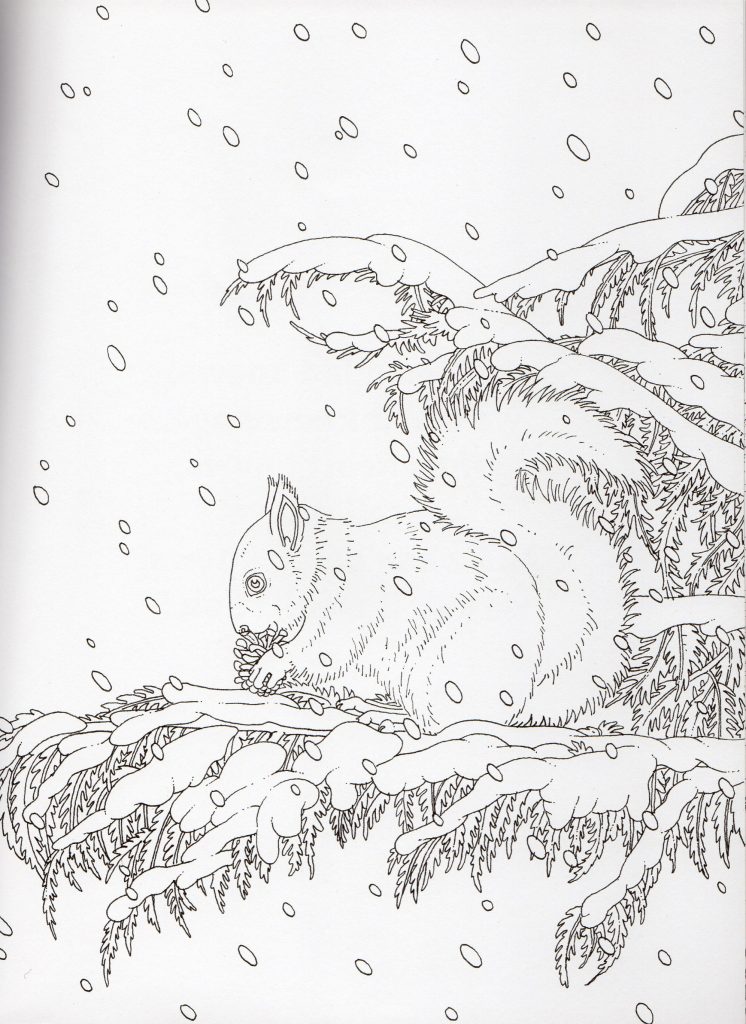
Squirrel from Winter wonderland
Michael Peres graciously allowed me to work closely from his gorgeous snowflake photos, and those are amongst my favourite pages of the book.
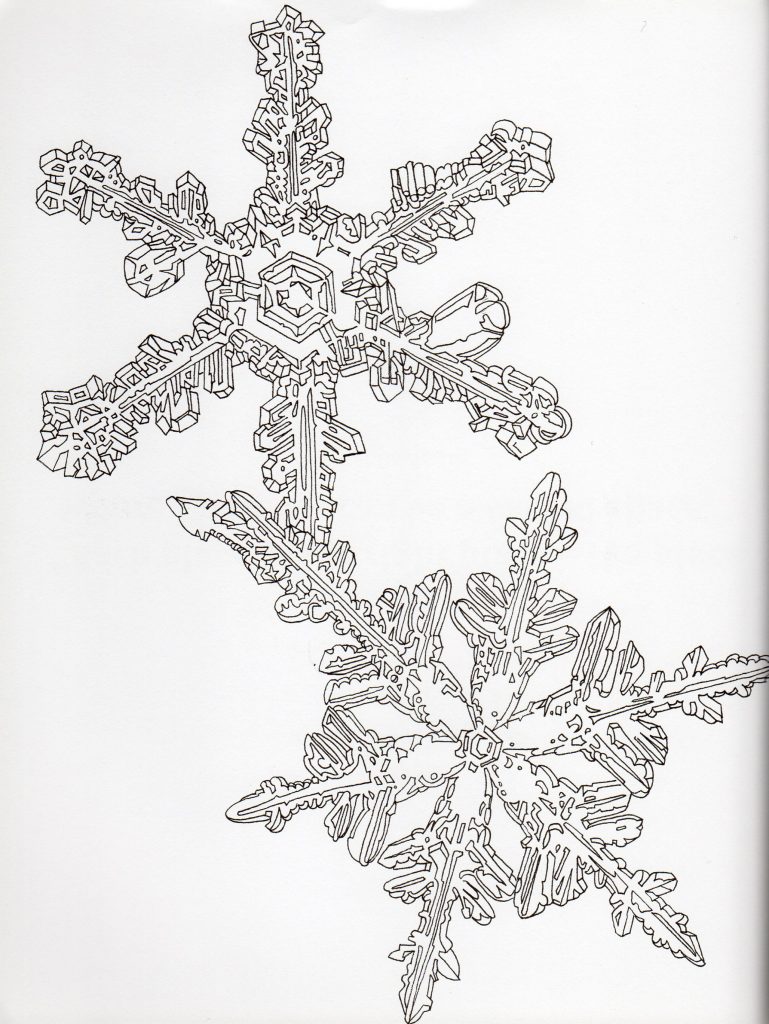
Snowflakes from Winter wonderland
HarperCollins needed one of the pages to be half coloured in, and chose a Robin in a snowy garden as the subject. Deciding what to colour and what to leave as a line drawing was tricky. It also made my realise coloured pencil is not my preferred medium!
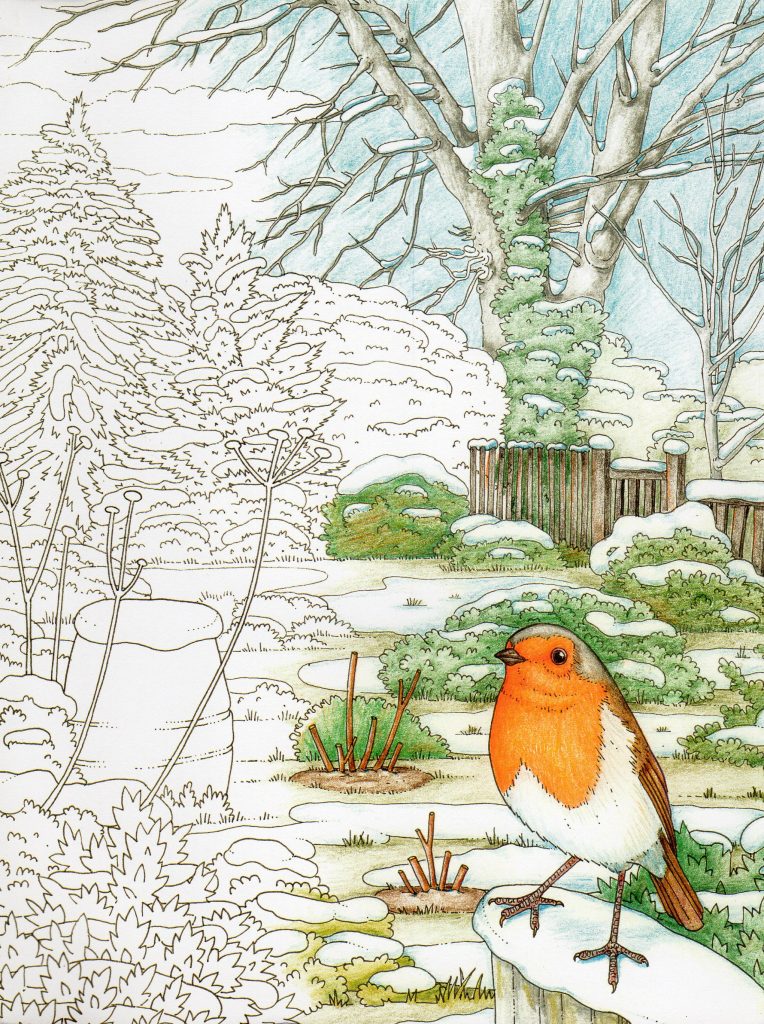
Part coloured robin from Winter wonderland
Despite being published back in 2015, the book still seems to be selling well. For more on this project, check out my blog.
HarperCollins test illustrations
I also completed some test images for colouring-in books which ended up not getting commissioned. These were fun.
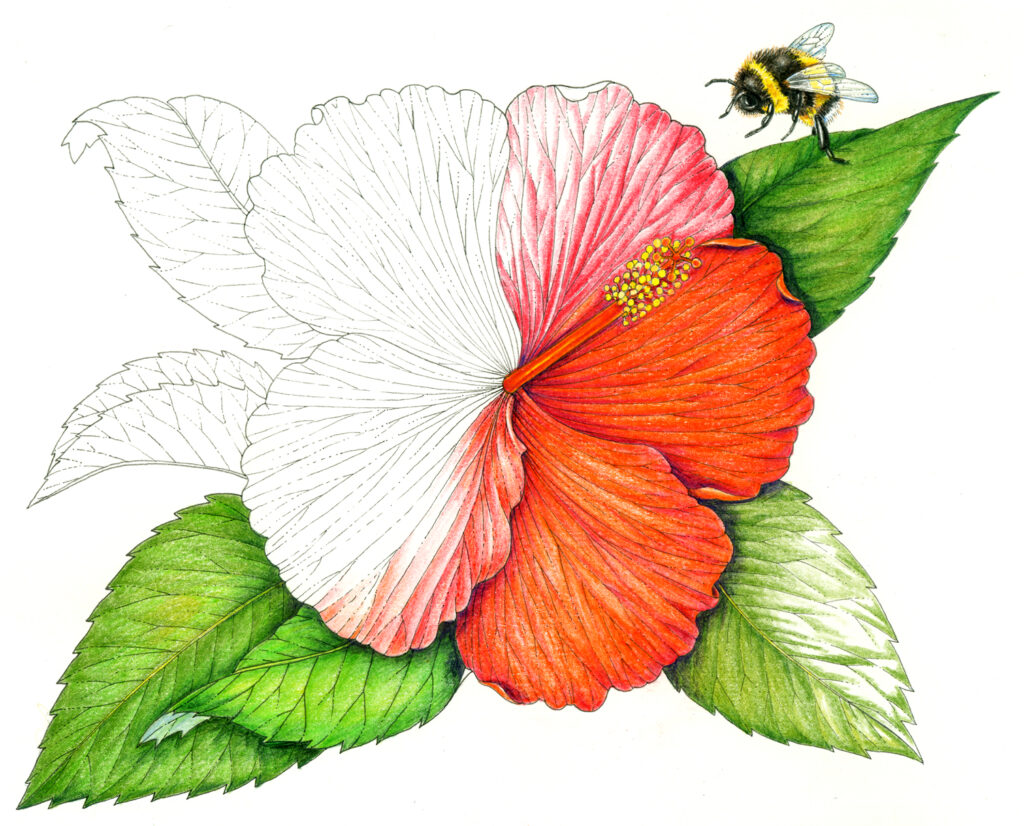
Hibiscus with bumble bee
As with the Winter wonderland, these needed to be half coloured-in, so it was back to the coloured pencil box. There was also some talk of a cat colouring in book, but again, this didn’t materialize.
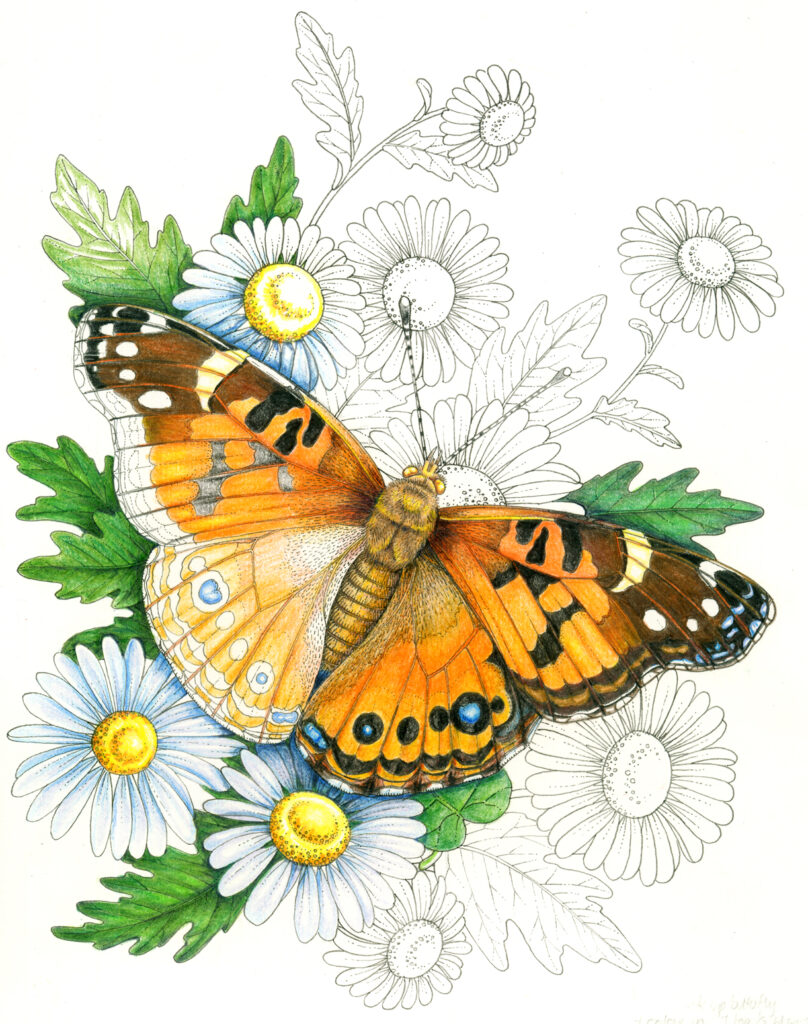
American lady butterfly on Margeurite daisies
Foraging with kids
Another book I illustrated with colouring-in illustrations is Foraging with Kids by Adele Nozedar.
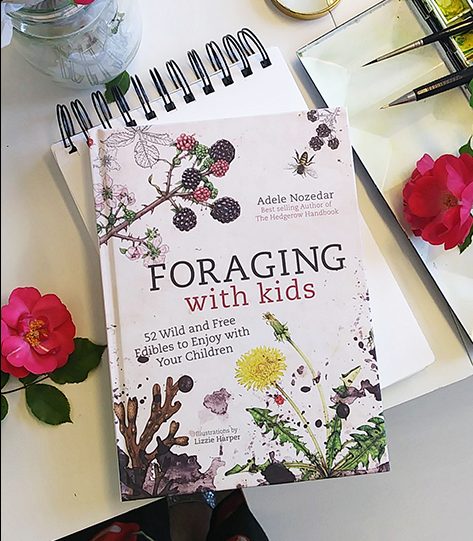
These images are botanical illustrations, reduced to line drawings. It sounds simple, but trying to represent blackberries and shiny conkers with pen and ink, atonally, is a challenge.
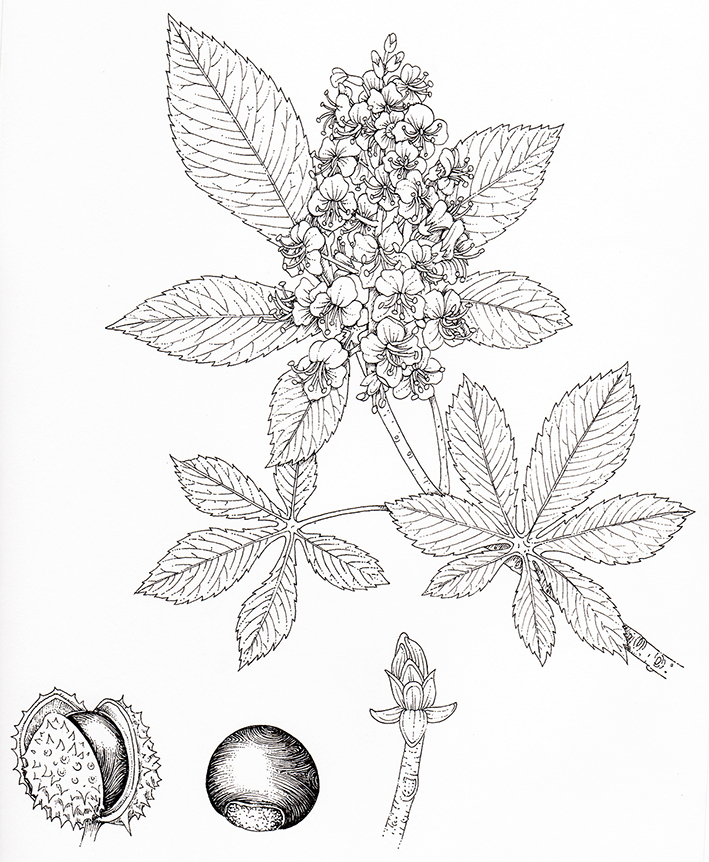
Horse chestnut Aesculus hippocastanum from Foraging with Kids by Adele Nozedar
Equally problematic was the puff-ball, such a big space with no details to break it up! However, I enjoyed showing the cloud of spores by stippling the lines of the blades of grass behind it.
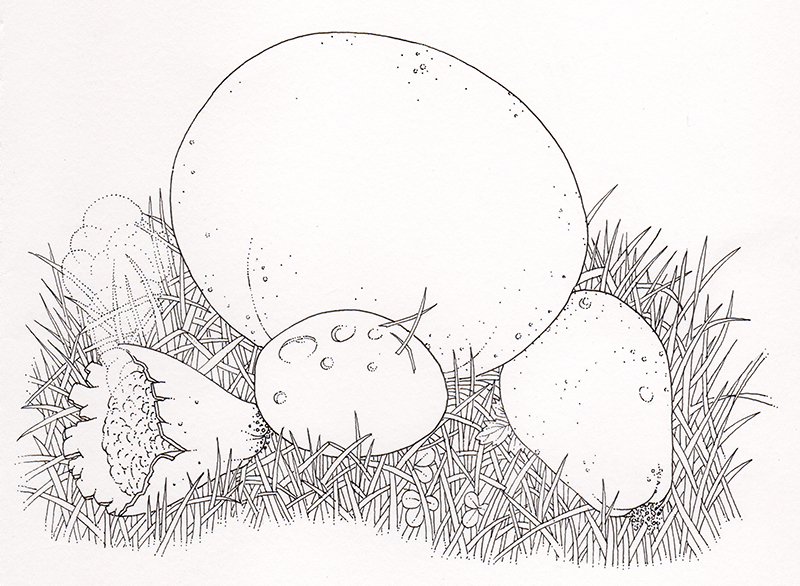
Giant puffball Calvatia gigantea
The conceit of the book appeals enormously. Go out and forage for these wild foods with kids. When you get home, get the children to colour-in the plates in the book, referring to what they gathered out of doors.
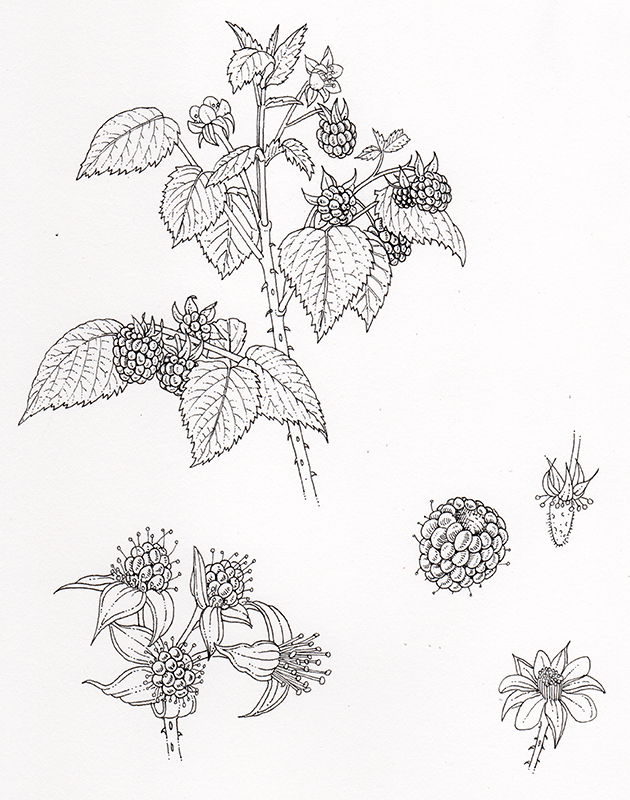
Raspberry Rubus idaeus from Foraging with Kids
I had already illustrated some of the featured species, so sometimes I’d simply trace the illustration using an ink pen. There’s always room for improvement though, and I tend to make alterations as I draw. You can see this in the dandelion below.
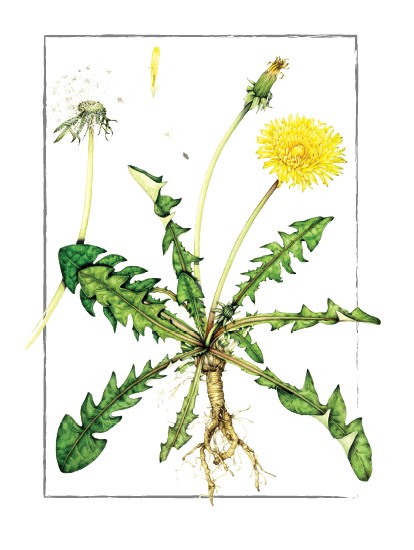

Dandelion Taxacum officinale watercolour and pen and ink from Foraging with Kids
For more on this project, read my blog.
Montserrat National Trust
The last client I’ve done lots of colouring-in drawings for is Montserrat National Trust and the UKOTCF.
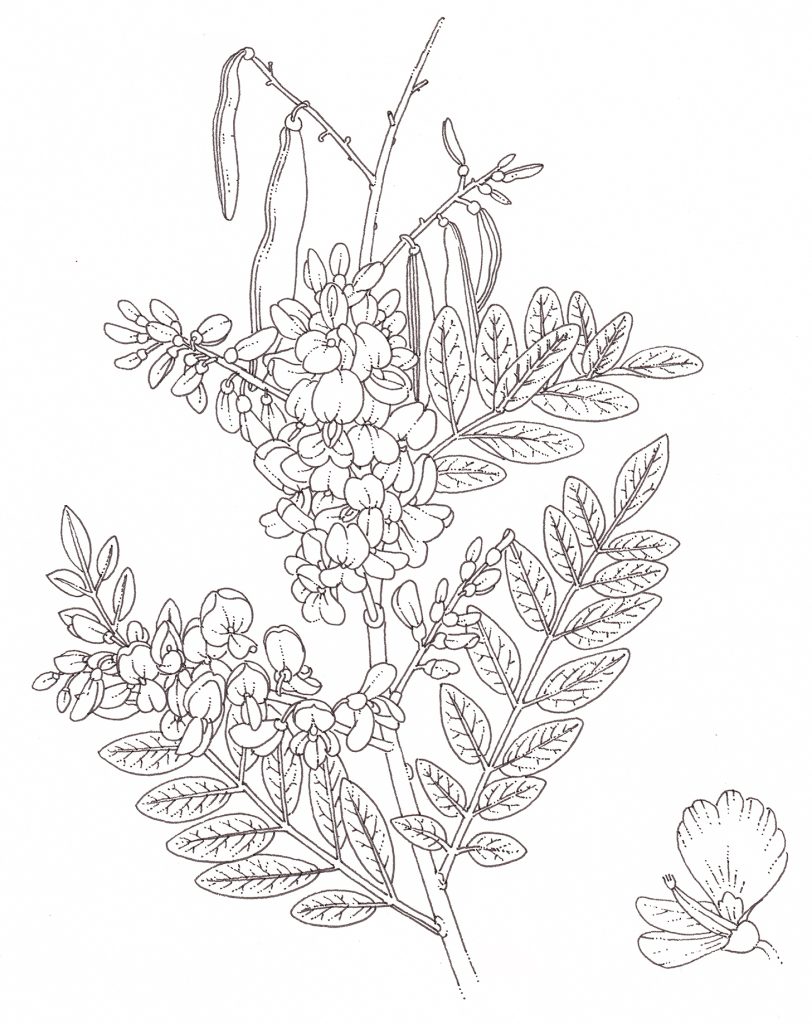
Bush tea or Quickstick Gliricidia sepium
This is a lovely project. My full colour watercolour illustrations of plants are also provided as line drawings for teachers and educators to use with their primary school classes. It helps raise awareness of the unique ecosystems on the island, and gives the children an easy introduction to drawing their native flora.
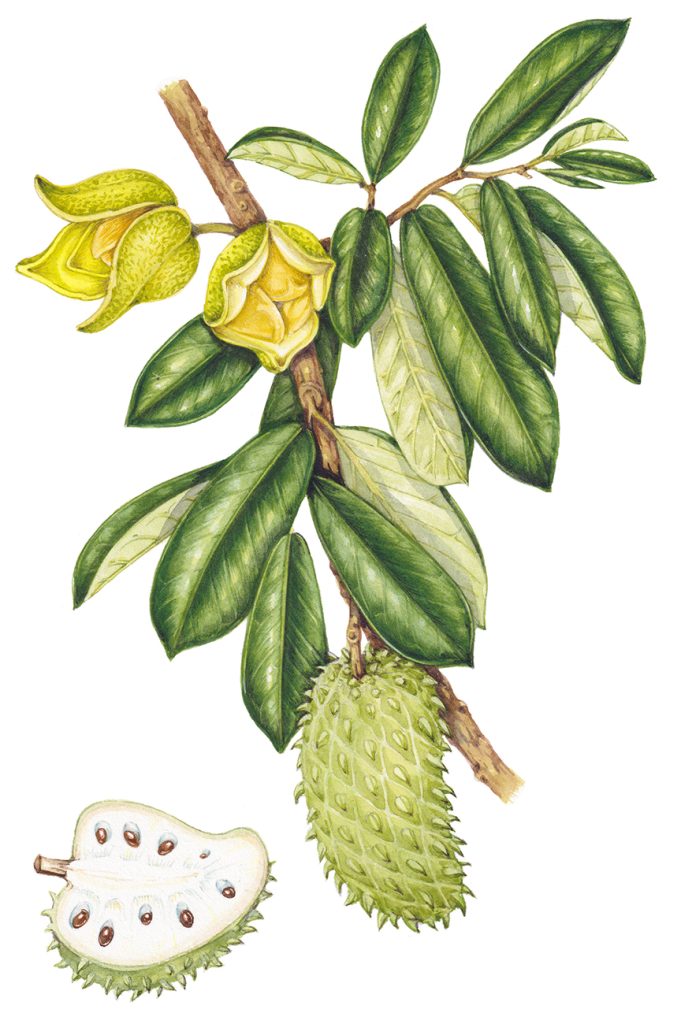
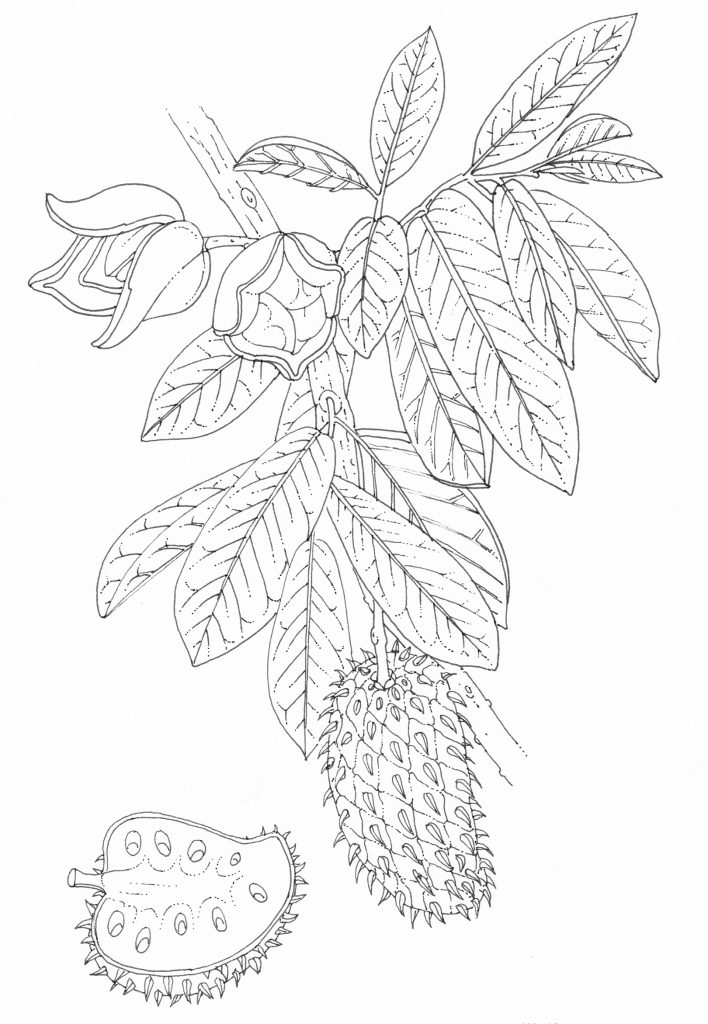
Soursop Annona muricata
Not only have they provided these common edible and medicinal plants as colouring-in drawings, but they have done the same for the ten species of Montserrat grasses I’ve illustrated (for more on this see my blog).
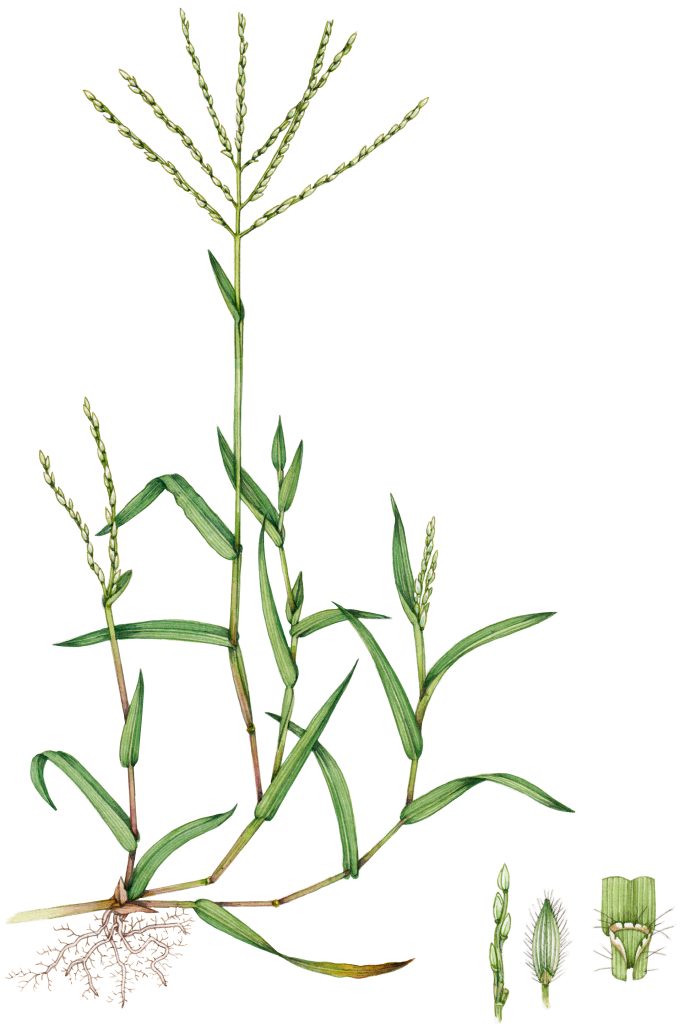
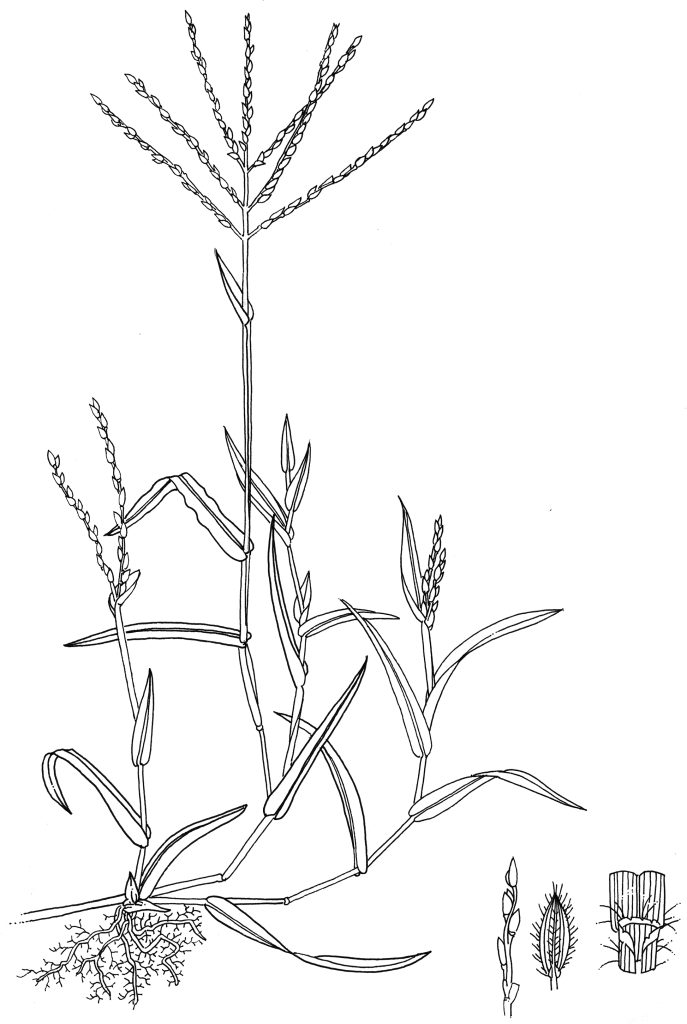
Crab grass Digitaria ciliaris
I very much enjoyed working on these, possibly because I’m a bit obsessed with grasses, but also because I think they make great subjects for colouring-in.
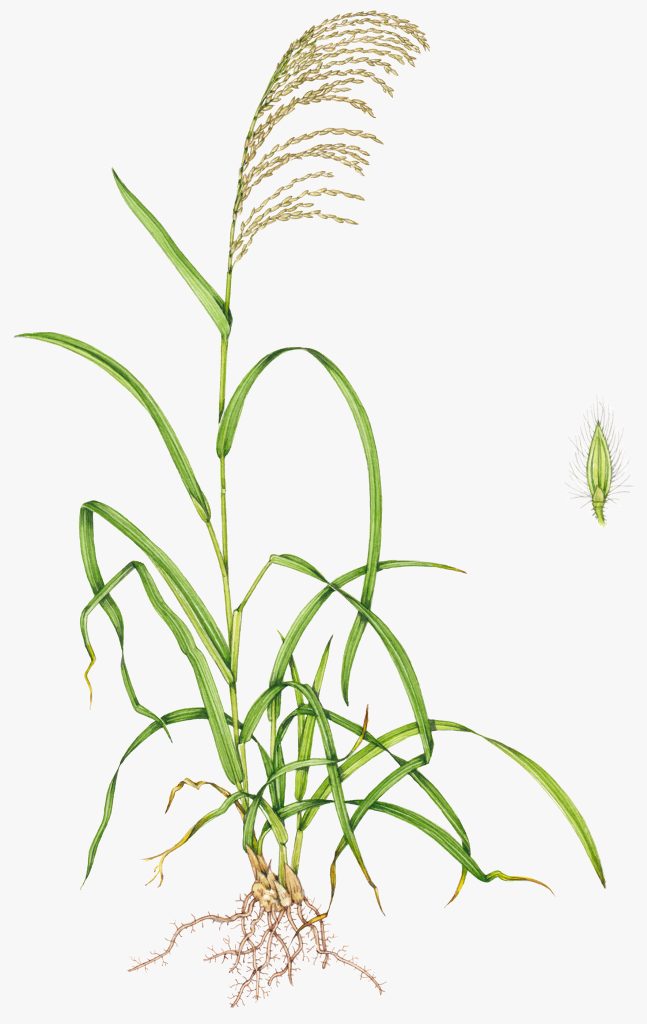

Sour grass Digitaria insularis
Animals of Montserrat
There’s also a whole batch of animals of Montserrat, also for colouring-in. It was such a treat to have lots of non European animals to research and draw!
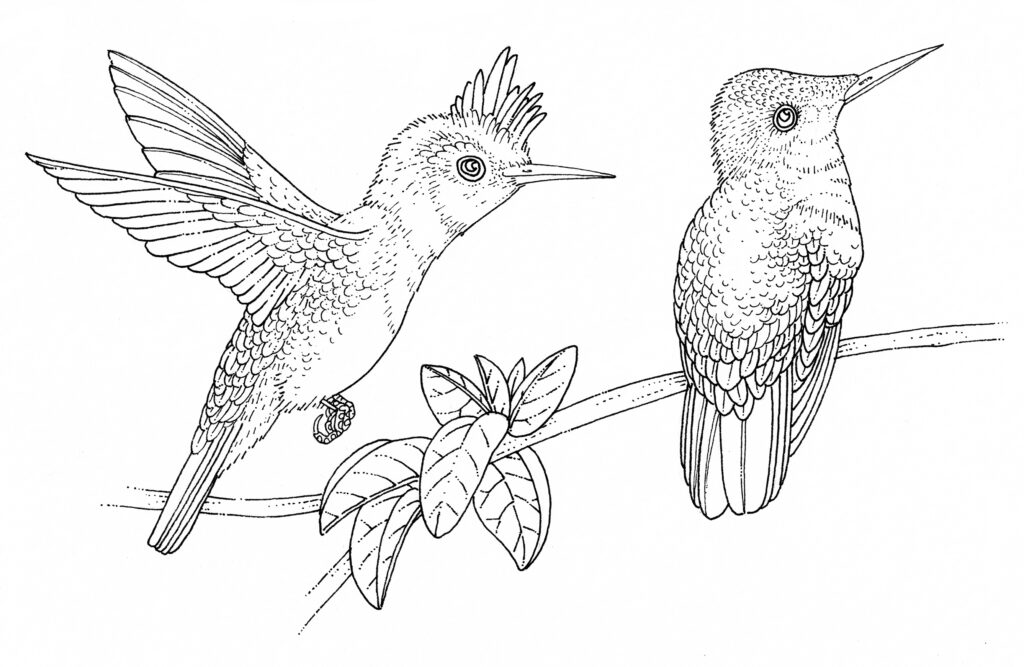
Antillean crested hummingbird (male & female) Orthorhyncus cristatus
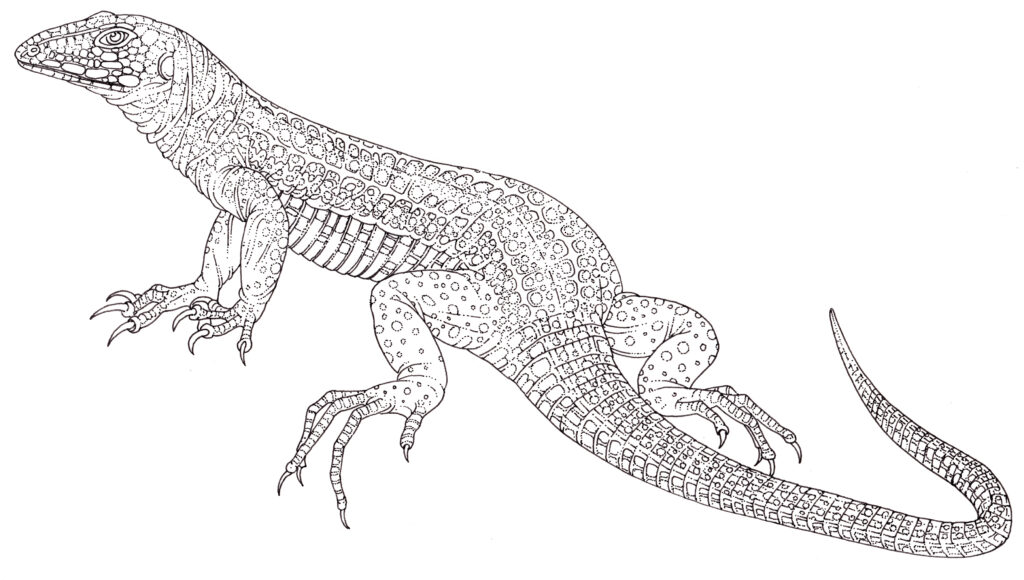
Montserrat ameiva (ground lizard) Pholidoscelis pluvianotatusn
Latest illustrations for HarperCollins
So what are these latest images? Well, they’re all of butterflies. Wing patterns are tricky at the best of times. But trying to keep track of them as you flip from wing to wing and reduce areas of tonality to simpler shapes? That was a massive challenge, but in such a good way. I loved working on all three.
We left the wings blank on a couple of the blue butterflies. That way people can try their hand at drawing, as well as adding colour.
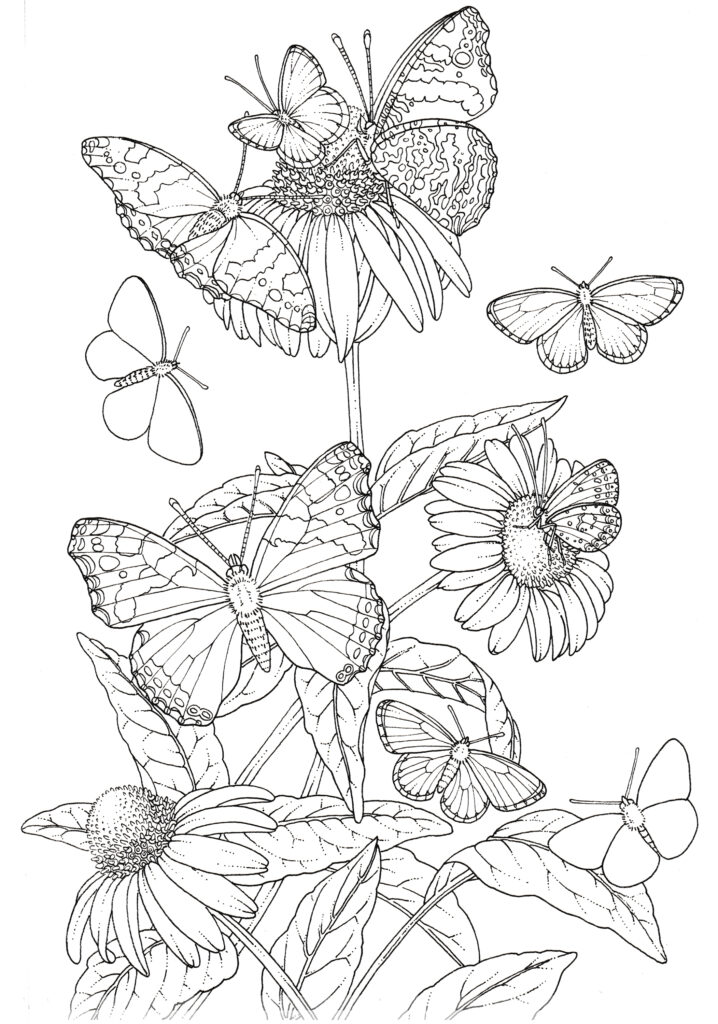
Red admiral Vanessa atalanta & Spring azure Celastrina ladon
I like that the art editor added variety by asking for one of the images to show the top and underside of a butterfly, almost like a pinned museum specimen.
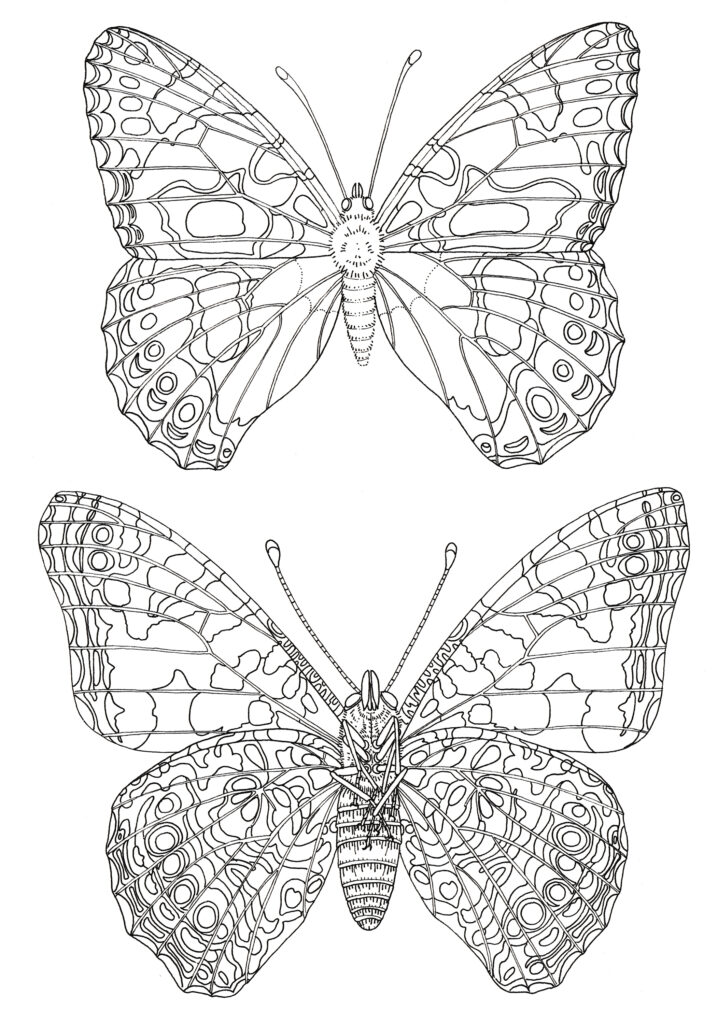
Painted lady top and underside Vanessa cardui
Conclusion
I am surprised at just how many of these line drawings I’ve completed, and for such a range of clients, both years ago and right up to the present day. Creating pen and ink line drawings is something I really enjoy, so it’s great that there are clients out there who want to commission them!
It’s also worth remembering that fully tonal pen and ink illustrations, like those I’ve done for Fred Hageneder’s Living wisdom of Trees, can be great for colouring too.
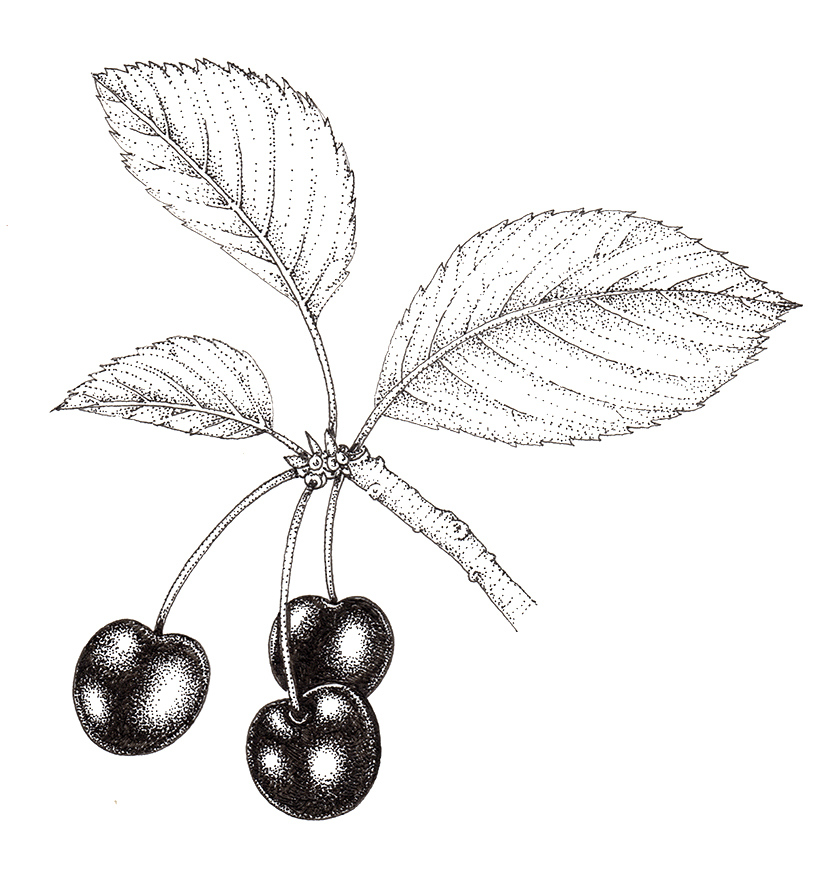
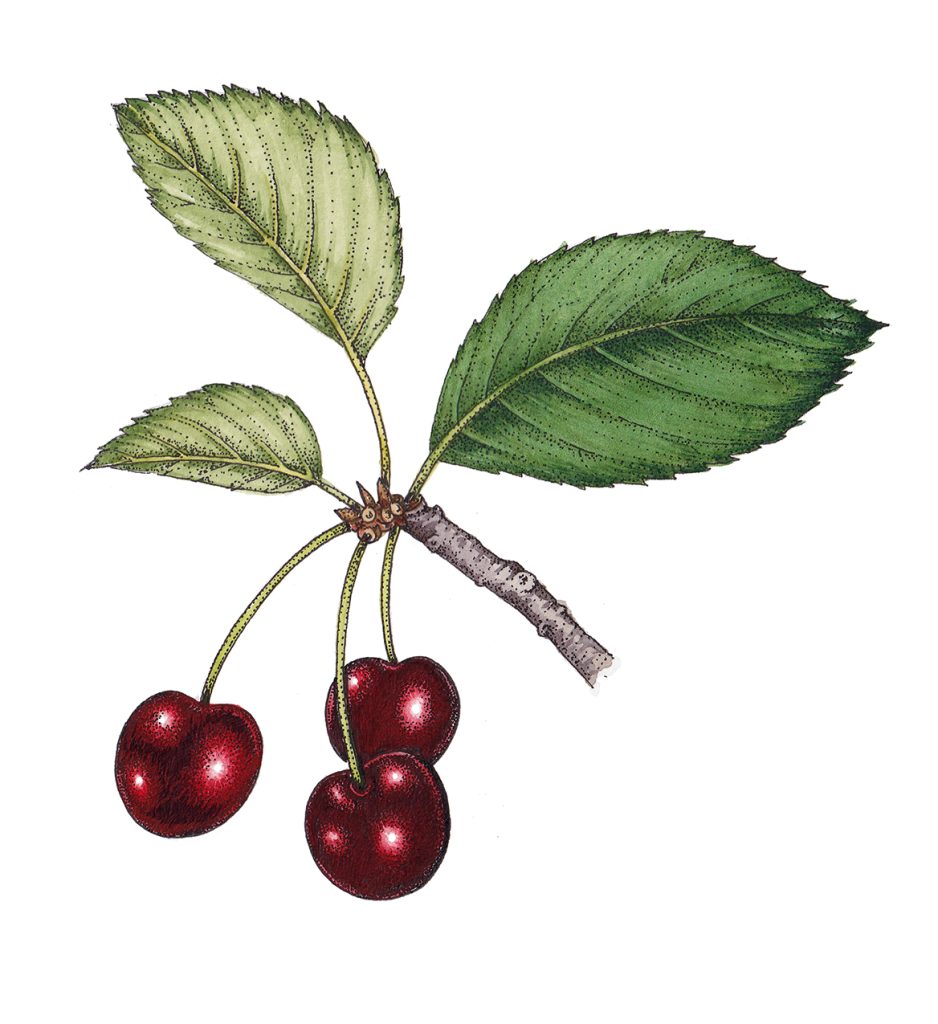
Cherry Prunus avium
During lockdown I agreed with publishers to share some of my illustrations as colouring-in sheets. It’s a resource that’s still available: Pinterest quarantine colouring in pages. So if you want to get the coloured pencils out, be my guest!
