loading
Loading

    Read more Contact me me for usage or prints
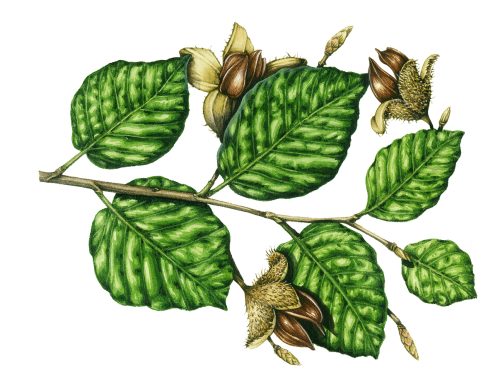
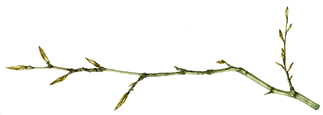
    beech twig
    for sale

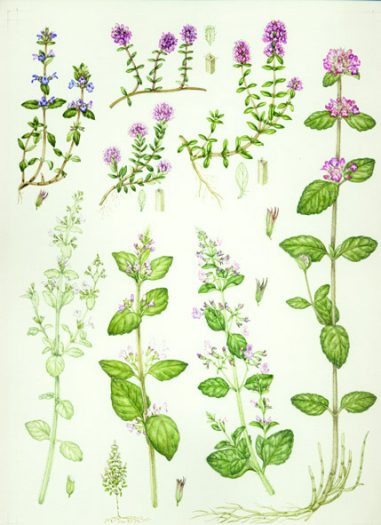
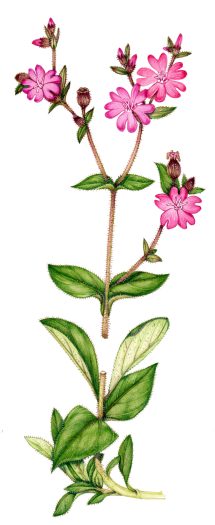
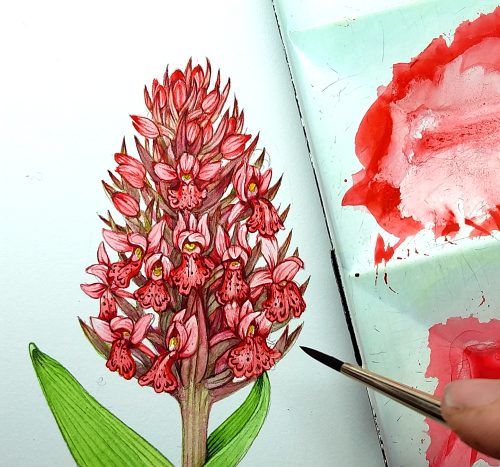
    Wildflower families: Lamiaceae

    Wildflower families: Lamiaceae, the Dead-nettle family is the latest in my series of blogs on wildflower families.  My online Field Studies Council course on ten common wildflower families, delivered by Iain Powell, provided information and inspiration.  I draw and paint wildflowers all the time, so learning more about what separates the families and what are […] Read more

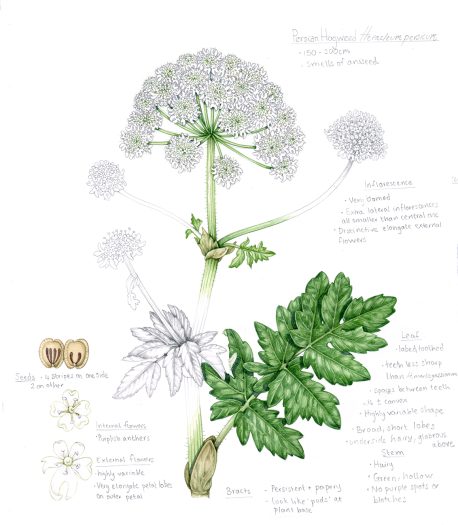
    Wildflower families: Apiaceae

    Wildflower families: Apiaceae, the Carrot family is my latest blog in this series on common flower families.  I was inspired to write this series by my online Field Studies Council course.  I spend a lot of time drawing wildflowers, so it’s important for me to learn more about their family similarities and differences. As a […] Read more
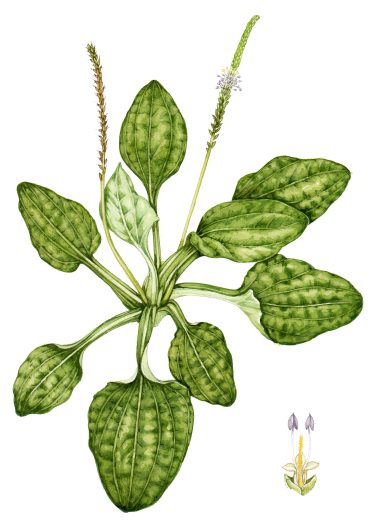
    Great plantain

    Wildflower families: Plantaginaceae

    Wildflower families: Plantaginaceae, the Plantain family is my latest blog in this series on common flower families.  I was inspired by my online Field Studies Council course taught by Iain Powell.  I do a lot of observing and illustrating wildflowers, so it’s important to know more about their families and similarities and differences. For definitions […] Read more

    Rosaceae Fruit

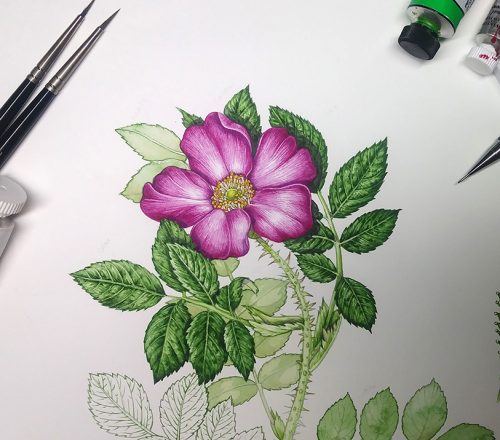
    Rosaceae Fruit Whilst recently researching the wildflower families, I fell down a fruit-shaped rabbit hole.  And it is because of the amount of variety shown in the fruit of the Rosaceae, or rose family. Japanese rose Rosa rugosa For more on what makes a plant a member of the Rosaceae, check out my recent blog […] Read more
    brassica

    Wildflower families: Brassicaceae, the Cabbage family

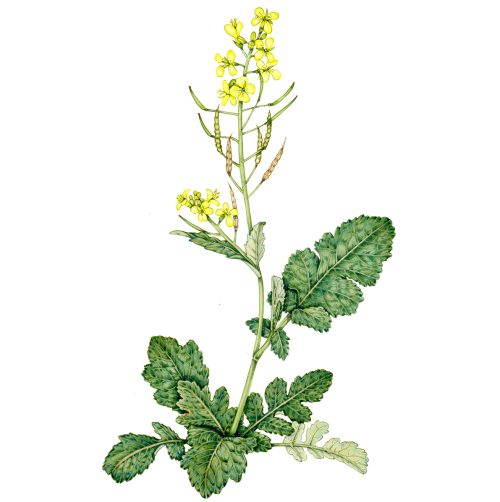
    Wildflower families: Brassicaceae, the Cabbage family is another blog I’m writing in a series on wildflower families, inspired by my online Field Studies Council course.  Adding botanical knowledge of flower families to my observations of plants helps to increase the accuracy of my illustration work. White mustard Sinapis alba These blogs discuss some common wildflower […] Read more

    Autumn fruits

    Autumn fruits is a recent project I’ve worked on with the Field Studies Council, (FSC).  I’m lucky enough to do a lot of work with them, for their wonderful fold-our identification guides. I discussed working on a guide to coastal flowers a while back, this time let’s focus on autumn fruits and seeds.  (The finished […] Read more

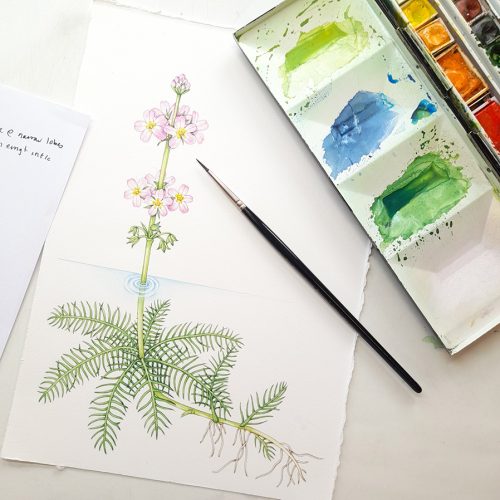
    Water violet Step by Step

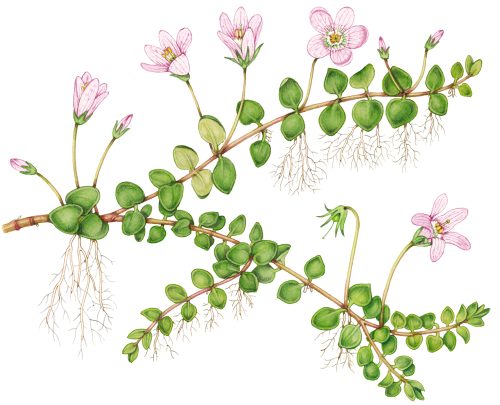
    Water violet step by step explains the stages involved in illustrating the aquatic plant Water-violet Hottonia palustris.  It’s one in a whole series of about 50 step by step blogs, many accompanied by films on my Youtube channel. Water-violet Hottonia palustris The Water-violet is a native UK aquatic plant, also known as Featherfoil.  It features […] Read more

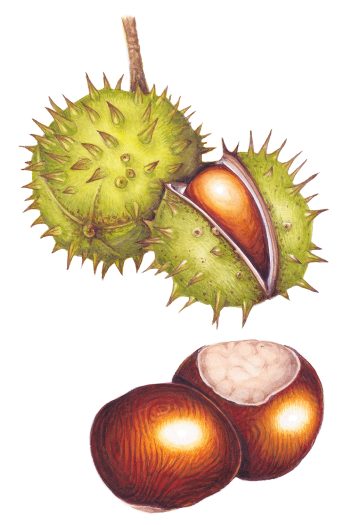
    Trees: Horse chestnut Aesculus hippocastanum

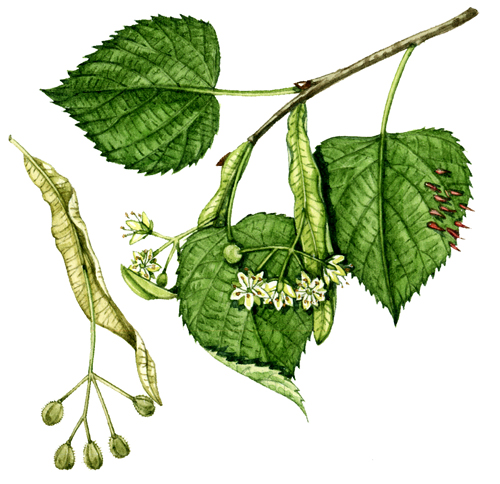
    Trees: Horse chestnut is one of a series of blogs I’m writing on common British trees.  You can also see blogs on the Elder, the Yew, the Ash, the Oak, the Holly, the Sycamore, the Rowan, the Hawthorn, the Lime, Scots pine, and the Beech. The Horse chestnut is easily recognized, with distinctive palmate leaves […] Read more

    Great Burnet Step by Step

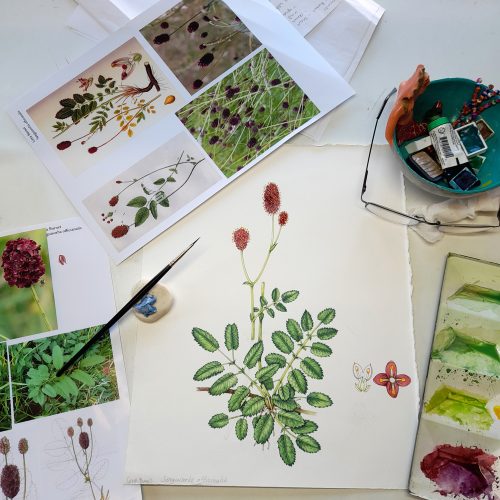
    Recently, I’ve illustrated the Great Burnet, Sanguisorba officinalis for an interpretation board, to be cited on Jubilee Pasture, in Bugthorpe, Yorkshire.  This blog is a step by step explanation of the process.  For step by steps of other botanical subjects, please click here, and visit my Youtube channel for real-time films of me illustrating plants […] Read more

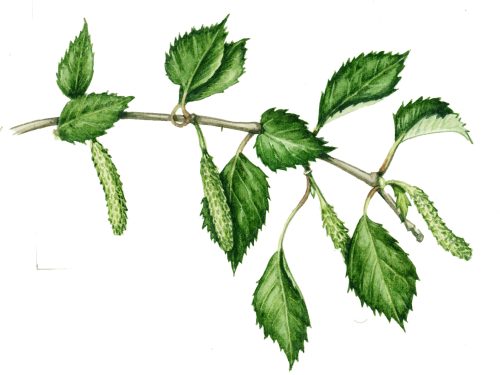
    Trees: Birch

    Birch trees: The Silver and the Downy Birch   There are two main Birch trees in the UK, the Silver birch Betula pendula and the Downy birch Betula pubescens.  The Downy birch tends to grow better in wetter areas and in the north.  The Silver birch likes drier soils and is often found growing ornamentally […] Read more

    Trees: Beech

    Introduction Beech trees are common across Britain, favouring chalky soils.  The oldest Beech trees live up to 400 years.  You’ll find them in open spaces and in woodland and can tell them straight away by their smooth bark.  The trees produce beech mast which is nutritious for animals, and the canopy supports wildlife.  Beech wood […] Read more

    Lizzie Harper