Common stork’s bill Erodium Cicutarium
Common stork’s bill Erodium Cicutarium showing long beaked seeds and numerous small flowers in each flowering head.
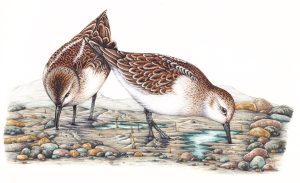
Two Little stint Calidris minuta
Two Little stint Calidris minuta in summer plumage on shoreline
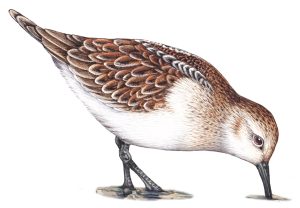
Little stint Calidris minuta
Little stint Calidris minuta in summer plumage
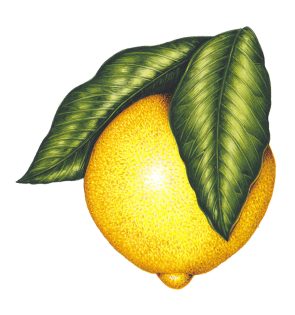
Lemon with leaves
Ripe lemon with pair of leaves, cut to white.
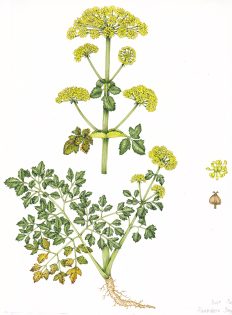
Alexanders Smyrnium olusatrum
Alexanders Smyrnium olusatrum with Puccinia smyrnii rust on some leaves, and detail of one flower and one seed.
Jersey lily Amaryllis belladonna
Close up of the lily flower, face on. Cut to white.
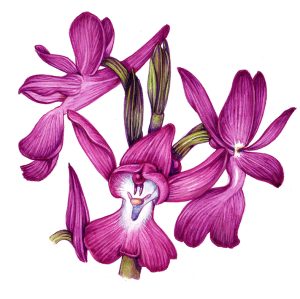
Jersey orchid Anacamptis laxiflora
Jersey orchid Anacamptis laxiflora close up showing the top of the flowering spike, with three flowers.
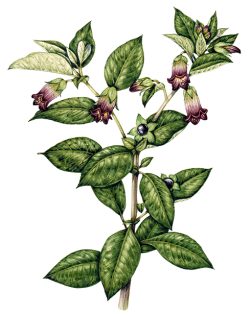
Deadly nightshade Atropa belladonna
Deadly nightshade Atropa belladonna showing plant with flowers and berries.
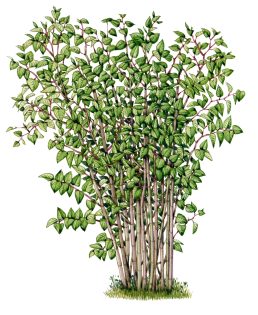
Stand of Japanese knotweed Reynoutria japonica
Stand of Japanese knotweed Reynoutria japonica Fallopia japonica showing thicket of stems and foliage
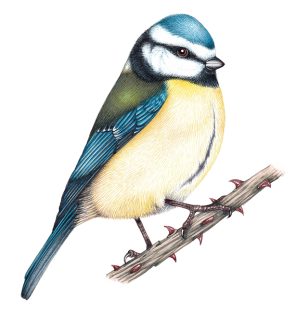
Blue tit Cyanistes caeruleus
Blue tit cut to white
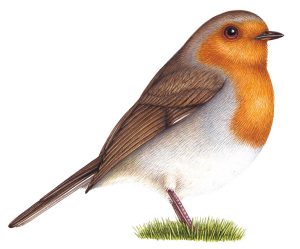
Robin Erithacus rubecula
Robin cut to white
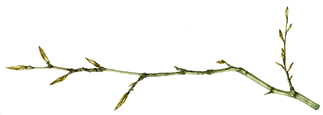
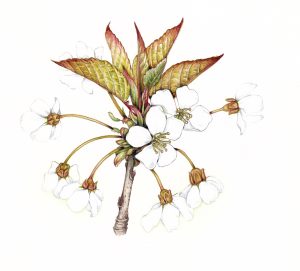
Wild Cherry Blossom Prunus avium
Sprig of blossom of the wild cherry with early emergent leaves
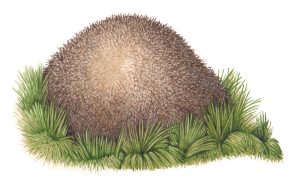
Wood ant nest
Wood ant nest. This nest belongs to the Southern red wood ant, Formica rufa. Wood ant nests do differ between species, although it can be hard to tell them apart.
Nest and budded smaller nest of wood ant
Nest and budded smaller nest of wood ant. This budding often happens with wood ant species.
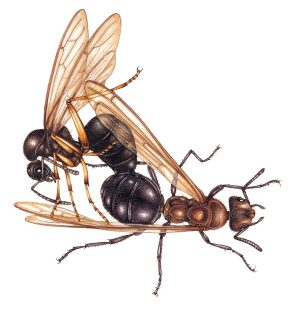
Mating Formica rufa Southern Red wood ant queen and male
Mating during nuptial flight Formica rufa Southern Red wood ant queen and male
Narrow headed ant Formica exsecta
Worker caste of the Narrow headed ant Formica exsecta. This species have curved backs to their heads.
Slender ant Leptothorax acervorum
Slender ant Leptothorax acervorum worker. This ant is only 3mm, and although similar to the Shining Guest ant, has a darker and less smooth head.
Scottish wood ant Formica aquilonia
Scottish wood ant Formica aquilonia worker. These ants are only modestly hairy.
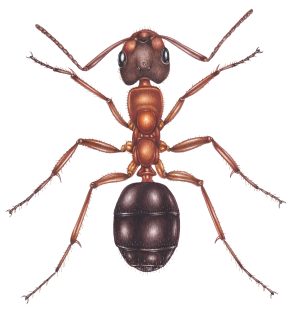
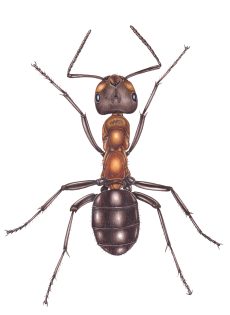
Southern Red wood ant Formica rufa
Southern Red wood ant Formica rufa. One of the most common species of European wood ant.
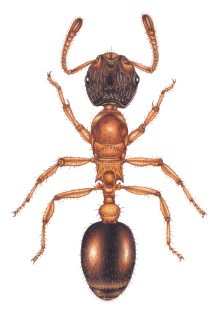
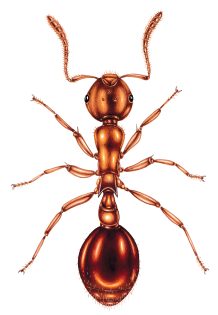
Shining Guest ant Formicoxenus nitidulus
Shining Guest ant Formicoxenus nitidulus worker. This tiny species is extremely shiny, and only 2.75mm long.
Hairy wood ant Formica lugubris
Hairy wood ant Formica lugubris, showing species-specific long hairs. These reach up to and beyond the eyes.
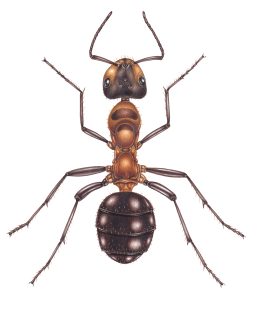
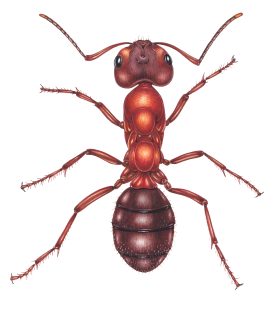
Slave making or Blood red wood ant Formica sanguinea
Slave making or Blood red wood ant Formica sanguinea. These wood ants are far redder than the other wood ant species.
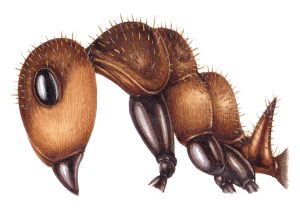
Thorax and hairs detail of Hairy wood ant Formica lugubris
Thorax and hairs detail of Hairy wood ant Formica lugubris. Hairs are longer and more numerous than other wood ant species, and extend beyond the eyes.
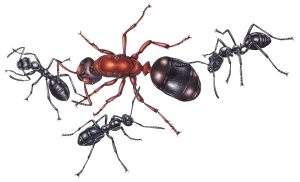
Social parasitism Queen and worker ants
Social parasitism in ants. The queen of the Slave maker ant, Formica sanguinea, being tended to by workers of Dusky ant Formica fusca.